




The Allure of High-Stakes Gambling
High-stakes gambling in casinos attracts players with the promise of substantial financial rewards, but the appeal goes beyond just money. The thrill of the game creates an adrenaline rush, drawing individuals into an environment where risk-taking becomes a form of entertainment. This adrenaline can lead to a heightened sense of excitement and anticipation, compelling gamblers to partake repeatedly. Additionally, many enthusiasts look for the top betting apps to enhance their gambling experiences. The atmosphere of casinos, with their dazzling lights and sounds, is meticulously designed to enhance this exhilarating experience.
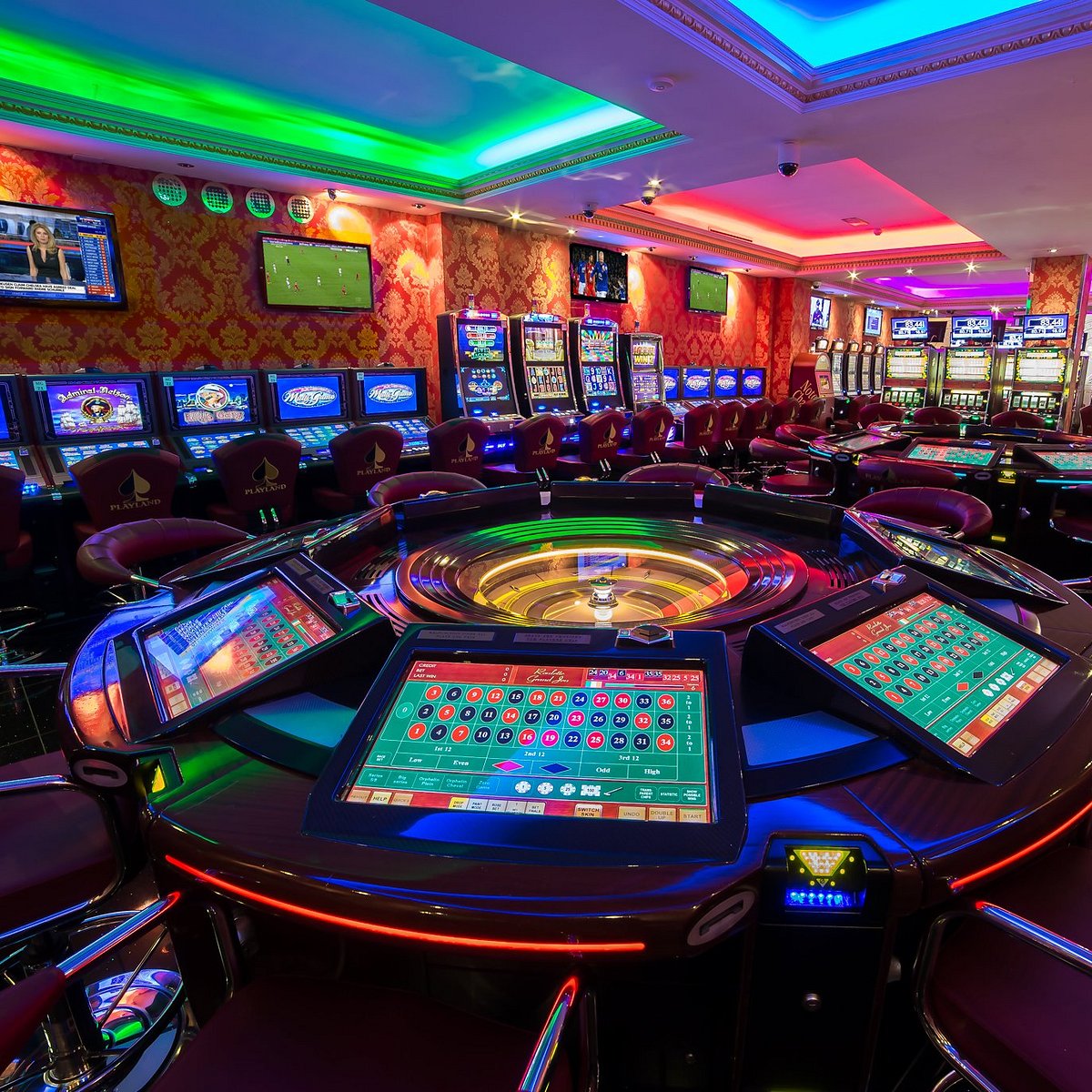
Addiction to the thrill of high-stakes gambling can sometimes mask deeper psychological needs. Many players find themselves caught in a cycle of gambling due to a desire for escapism. This pursuit can lead to significant psychological impacts, including stress relief or a temporary escape from reality. However, these moments of euphoria can be fleeting, often giving way to regret or anxiety, especially when losses mount. Understanding this paradox is vital in addressing the psychology of high-stakes gamblers.
The Role of Cognitive Biases
Cognitive biases play a significant role in how gamblers perceive their chances of winning. Many high-stakes players may fall prey to the illusion of control, which is the belief that they can influence the outcome of inherently random events. This psychological phenomenon can lead individuals to continue gambling even when the odds are stacked against them, believing that their skill or strategy will ultimately turn the tide in their favor.
The gambler’s fallacy is another cognitive bias that impacts decision-making during high-stakes games. Players may believe that past outcomes will influence future results, leading them to make irrational bets based on flawed reasoning. This flawed thinking not only adds to the psychological complexity of gambling but also reinforces the cycle of behavior that can lead to financial loss and emotional distress.
The Social Dynamics of High-Stakes Gambling
The social environment of casinos significantly influences gambling behavior. High-stakes gambling often occurs in exclusive areas of casinos, where players feel a sense of privilege and status. This social dynamic can create a competitive atmosphere, intensifying the desire to win and further engaging players in high-stakes games. The communal experience of gambling, whether through cheers of victory or collective sighs of defeat, adds another layer of psychological impact.
Moreover, peer pressure and the influence of other gamblers can affect individual betting behavior. When surrounded by other high-stakes players, individuals may feel encouraged to take risks beyond their financial capacity. This social context can lead to reckless decision-making, as the thrill of competition overshadows rational thinking, creating a compelling but often dangerous cycle of gambling.
The Emotional Rollercoaster of Wins and Losses
Winning in high-stakes gambling can evoke intense joy and euphoria, while losses can lead to feelings of despair and frustration. This emotional rollercoaster is a fundamental component of the gambling experience. The highs of winning often act as a powerful motivator, encouraging players to chase the next big win even after suffering significant losses. This cycle can create a volatile relationship with gambling, where the fear of loss drives individuals back to the tables in hopes of recouping their funds.
Furthermore, the emotional consequences of gambling can severely impact mental health. Many high-stakes gamblers experience stress, anxiety, and depression, particularly when their gambling habits lead to financial instability. Understanding these emotional dynamics is crucial for addressing problematic gambling behavior and finding healthier coping mechanisms.

Understanding the Gambling Experience on 2080baseball.com
At 2080baseball.com, we delve into various aspects of human behavior, including the psychology of high-stakes gambling. Our content aims to shed light on the motivations and emotional experiences that drive individuals to engage in gambling, particularly in casino environments. By exploring these themes, we enhance the understanding of not just the gambling phenomenon but also the broader implications on mental health and social behavior.
Our website serves as a valuable resource for those looking to gain insights into the intersections of psychology and gambling. Whether you are a casual observer or a dedicated enthusiast, 2080baseball.com provides comprehensive analysis and engaging discussions to enrich your knowledge and understanding of these complex interactions.
